In an unforeseeable globe, knowing just how to save a life can be the most empowering skill one can have. Cardiopulmonary resuscitation (MOUTH-TO-MOUTH RESUSCITATION) is crucial in emergency situations where every 2nd matters. Having actually educated specialists at your fingertips can make a substantial difference in dilemma circumstances. In this extensive guide, we explore CPR strategies everyone ought to know and supply insights amassed from our considerable courses.
Understanding CPR: What Is It?
Cardiopulmonary resuscitation, or mouth-to-mouth resuscitation, is an emergency situation treatment done when a person's breathing or heartbeat has actually stopped. The primary objective of mouth-to-mouth resuscitation is to bring back blood flow to the mind and various other important organs, properly preventing death or significant mind damage.
The Value of Learning CPR
Why should you learn mouth-to-mouth resuscitation? According to the American Heart Association, virtually 350,000 cardiac arrests occur outside of a medical facility in the U.S. annually. When carried out promptly, CPR can increase and even triple a target's possibility of survival.
Types of Heart attack Situations
Medical Emergencies: Unexpected heart attack because of underlying health issues. Accidents: Scenarios like drowning or choking that lead to loss of consciousness. Trauma: Such as extreme injuries from crashes that disrupt regular heart function.Each circumstance calls for certain reactions that are covered thoroughly in First Aid Course Launceston our emergency treatment courses.
Who Needs to Learn CPR?
It's important for numerous teams to have at least standard expertise of mouth-to-mouth resuscitation:
Parents and Caregivers: To shield kids and elderly family members. Teachers and Coaches: For guarding students and athletes throughout activities. Healthcare Professionals: As part of their job requirements. General Public: Anybody curious about being prepared for emergencies.First Aid Training course vs. mouth-to-mouth resuscitation Course
While many might think that first aid training courses cover whatever pertaining to emergency situations, they typically concentrate on more comprehensive topics such as injury care and shock administration. Alternatively, specialized mouth-to-mouth resuscitation courses delve deeply into methods particular for cardiopulmonary resuscitation.
Key Components of Effective CPR
Understanding the key parts will certainly boost your capacity during an emergency scenario:
1. Evaluating the Situation
Before jumping into activity, it's critical to guarantee your safety and afterwards assess the target's condition:
- Check if the person is responsive. Call for help if they're unresponsive. Assess breathing; if missing or uneven, prepare for CPR.
2. Breast Compressions
Proper upper body compressions are basic in any CPR method:

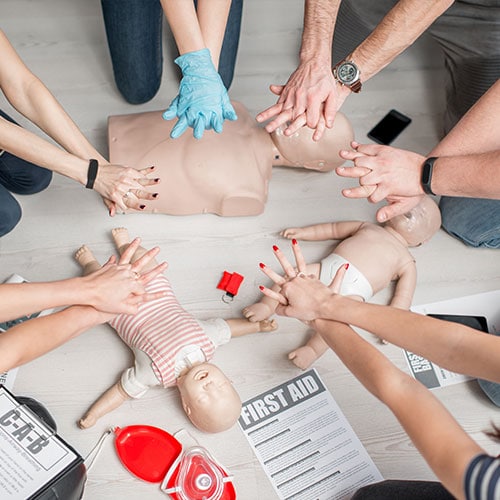
- Position your hands appropriately-- one in addition to the other at the facility of the chest. Compress set at a rate of 100-120 compressions per minute. Allow full recoil in between compressions to be effective.
3. Rescue Breaths
If you're trained and going to do rescue breaths:
- Open the airway using the head tilt-chin lift method. Pinch the nose closed, make a full seal over their mouth, and give 2 breaths (each lasting regarding one secondly).
4. AED Usage
An Automated External Defibrillator (AED) is a lifesaver:
- Turn it on as soon as it's available. Follow voice triggers meticulously-- this tool guides you via each step.
CPR Techniques Everybody Must Know: Insights from Our Courses
Through our training courses, we impart not simply techniques but likewise self-confidence in participants' capacities to act emphatically throughout emergency situations. Each session highlights reasonable circumstances in addition to practical hands-on training important for grasping these skills effectively.
Real-Life Circumstances in Educating Sessions
Incorporating real-life situations right into our emergency treatment and mouth-to-mouth resuscitation training course enables students to imagine their responses when faced with real emergency situations:
A child choking on food at a restaurant. An adult experiencing heart attack in a public setting. A good friend breaking down throughout exercise.This immersive method guarantees participants are well-prepared when it truly matters.
The Role of First Aid Certificates
Upon completing our first aid and mouth-to-mouth resuscitation program, participants receive an accreditation that confirms their skills and knowledge:
- This certification functions as evidence of competency in handling emergency situations. Many employers call for certifications for specific functions-- specifically those entailing caregiving or public safety.
Frequently Asked Inquiries Concerning Mouth-to-mouth Resuscitation Techniques
1. What's the suitable compression-to-breath ratio?
For grownups, it's 30 compressions complied with by 2 rescue breaths; for kids and babies, it's usually comparable unless specified or else Wollongong First Aid Course Near Me based upon training guidelines.
2. The length of time need to I carry out mouth-to-mouth resuscitation before calling for help?
If you're alone with an adult that requires aid, phone call emergency solutions right away after starting mouth-to-mouth resuscitation because time is critical.
3. Is it risk-free to carry out mouth-to-mouth resuscitation on a person that might have been injured?
Yes! The benefits much exceed possible dangers-- if a person is less competent without signs of breathing, begin doing CPR instantly while waiting for specialist help.
4. Can I obtain demanded carrying out CPR?
Good Samaritan laws safeguard those supplying aid voluntarily during emergencies versus legal consequences unless gross negligence occurs.

5. Do I need unique training to use an AED?
No! AEDs are designed for layperson usage-- straightforward directions assist customers with its procedure effectively.
6. Exactly how commonly should I refresh my training?
It's recommended to refresh your skills every two years since standards might alter in time based on brand-new research study findings.
Conclusion: Take Action Today!
Mastering life-saving abilities like mouth-to-mouth resuscitation isn't simply valuable; it's crucial! Whether you're looking into emergency treatment courses or particularly concentrated on protecting a first aid certificate through strenuous training programs, take fee now! You can be the distinction between life and fatality when every second counts!
By involving with these useful resources today-- not just do you boost personal safety and security-- but also add positively toward community durability against medical emergency situations experienced everyday throughout numerous setups! Remember this journey starts with taking that first step in the direction of learning about efficient CPR techniques every person must know!
This write-up provides a detailed overview meant not only as an informative overview but likewise as motivation motivating readers toward proactive involvement with life-saving CPR Course Salisbury education chances customized especially around CPR strategies every person must know along with their connected first help courses ensuring readiness whatsoever times when confronted with unexpected crises needing speedy action combined alongside confidence amassed from correct training experiences obtained throughout different program offerings gone over herein!